We’re celebrating a major milestone towards our vision to become the Most Sustainable Protein Company on Earth. It’s a tangible win for the planet, made possible through our partnership with Sol Recycling.
Here at Maple Leaf Foods, we’ve been working towards a commitment to reduce waste that goes to landfills. In 2025, we made one of our biggest leaps yet. Through an ongoing partnership with Sol Recycling, we transitioned multiple facilities to a waste diversion method allowing materials that were once destined for landfill into a waste-conversion stream that gives them a new purpose.
The result? 4.5 million kilograms of waste diverted from landfills over the last year alone. To put that into perspective, 4.5 million kgs is enough waste to fill more than two Olympic-sized swimming pools — twice!
We’re proud to share our achievement in waste diversion. It’s just another way that our Team Members are working towards our Purpose of Raising the Good in Food through stronger sustainability goals every day.
Sol Recycling is a waste management leader in Canada that focuses on innovative recycling solutions for businesses. From cardboard, metal, paper, and plastics, Sol Recycling is helping to make the planet a better and more sustainable place for all of us. We’re pleased to work with Sol Recycling to help bring our vision of being the most sustainable protein company on Earth.
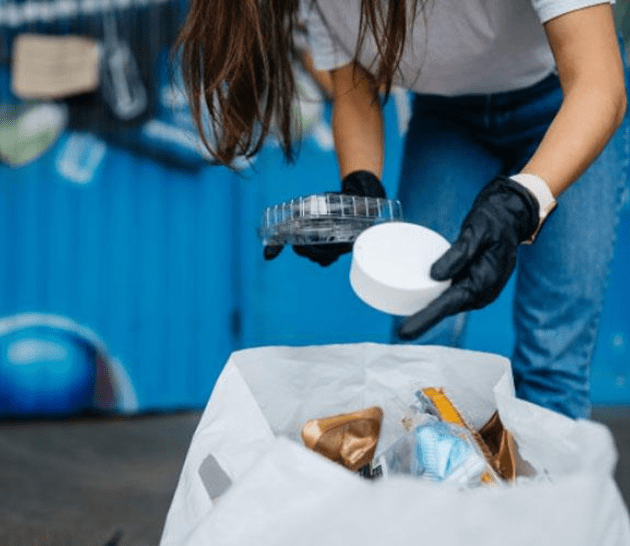
What does it mean to divert waste?
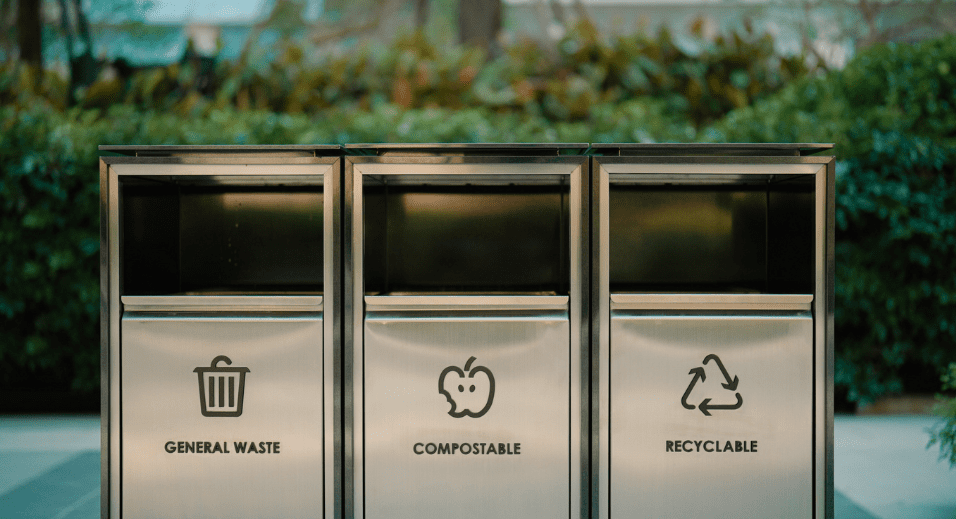
Waste diversion is a method of redirecting materials that would otherwise go to landfills or incinerators into more sustainable pathways like recycling, composting, repurposing, and reusing. Waste diversion supports a circular economy that keeps resources in use for as long as possible.
This is something we do on the plant-level at many of our locations, but it’s also something we can all do at home. Read our blog on how you can use the 4 Rs to learn more about how you can be sustainable at home.
From composting food scraps, refurbishing old electronics, and making old materials into something new – we can all contribute little changes that add to a big impact. In effect, these actions can lower our environmental footprint and put what we already have on hand to good use.
What is waste conversion?
Waste conversion is the process of transforming different waste streams into new, usable resources. Our partner Sol Recycling works with us to combine material recovery with innovative conversion technologies to give waste from our facilities a second life.
Recyclable materials (e.g. plastics, metals, glass, paper, and organics) are carefully sorted, processed, and returned to the market as raw materials for manufacturing and other industrial uses.
For items that can’t be recycled through traditional methods (e.g. multi-layer plastics or contaminated materials), Sol Recycling uses advanced conversion technologies to transform these items into Refuse-Derived Fuel (RDF), a renewable alternative to fossil fuels. Alternatively, these residuals can be converted into sterile inert fluff which is repurposed for applications like fill, insulation, or compressed aggregates.
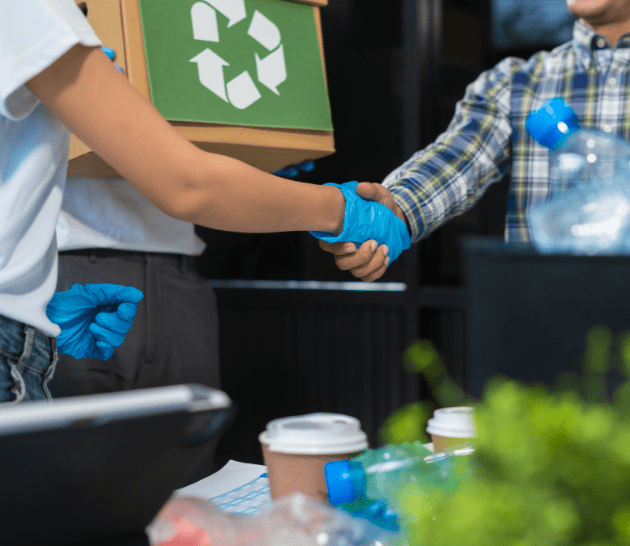
As part of our partnership with Sol Recycling, we conducted rigorous research and accountability checks to make sure that the partnership would align with our company’s values, Vision, and Purpose. We continue to work amongst our teams to ensure we’re properly separating waste to make diversion and recycling easier to execute.
Our journey towards zero waste to landfill continues, and this milestone shows what’s possible when we rethink what “waste” can be. The more we innovate and collaborate, the more environmental challenges we transform into opportunities.
This achievement in waste diversion is a powerful example of how our Vision — to become the Most Sustainable Protein Company on Earth — continues to come to life through collaboration, intense curiosity, and doing what's right for the planet. Every site, and every Team Member who has helped us improve sorting, optimize processes, collect better data, and champion waste reduction has played an integral part in achieving this milestone.
This win belongs to all of us.